

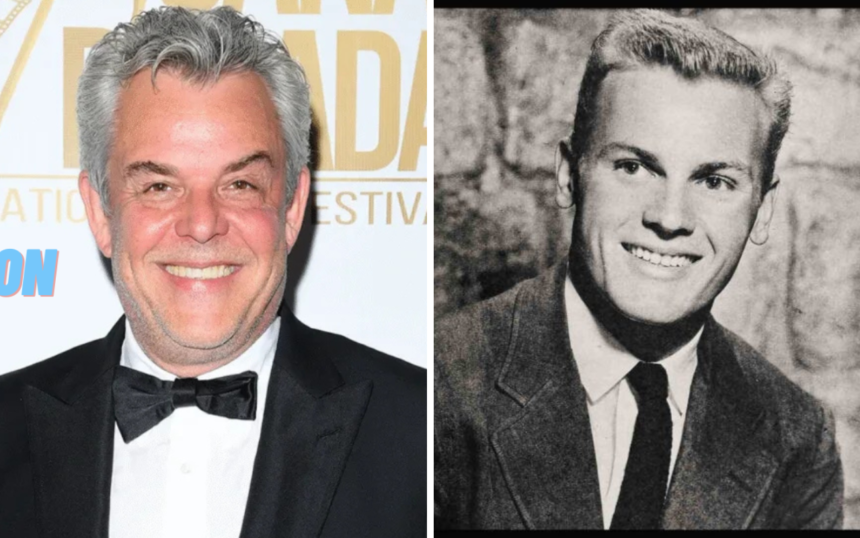
Introduction to Pablo Huston
Pablo Huston was a multifaceted artist whose influence spans various domains, including visual arts, literature, and social activism. Born in the early 20th century in a small town, Huston’s upbringing was colored by a rich tapestry of cultural and artistic influences that would later manifest in his diverse body of work. Growing up during a tumultuous time, he faced numerous challenges that shaped his worldview and artistic philosophy.
Huston’s early life was marked by an exposure to art from an exceptionally young age. His family recognized his talent and encouraged him to explore different artistic avenues. Pablo Huston The significant support from his parents enabled him to pursue formal education in various art forms, which laid a robust foundation for his career. His time at prominent institutions allowed him to engage with mentors who played a pivotal role in refining his artistic techniques and theoretical understanding.
As he matured, Huston began to draw inspiration from contemporary socio-political movements, integrating themes of justice, identity, and cultural heritage into his work. These early influences, coupled with his academic experiences, positioned him uniquely in the art scene, allowing him to address complex societal issues through his creations. Moreover, pivotal moments, such as his participation in significant art exhibitions and collaborations with other emerging artists, catalyzed his ascent to prominence.
Throughout his career, Pablo Huston would become a representative voice for marginalized communities, utilizing art as a medium for dialogue and change. His works not only reflected his personal experiences but also resonated deeply with broader societal challenges. In summary, Huston’s journey exemplifies the profound interplay between personal narrative and artistic expression, a hallmark of his enduring legacy in the art world.
Artistic Style and Techniques
Pablo Huston is renowned for his distinctive artistic style that blends various influences, creating a unique voice within the contemporary art landscape. His work often showcases an amalgamation of abstraction and realism, allowing viewers to engage with his pieces on multiple levels. Huston’s artistic expression is characterized by vibrant colors and dynamic forms, which effectively capture emotion and narrative without relying heavily on overt symbolism.
One of the defining aspects of Huston’s work is his innovative use of mixed media. He integrates traditional painting techniques with modern materials such as digital prints and installations. This approach not only broadens the scope of his artistry but also reflects the intricate relationship between technology and creativity in today’s art world. For instance, his layering technique involves the application of multiple textures that invite the observer to explore deeper meanings behind the visible layers.
Additionally, Huston frequently experiments with light and shadow in his compositions. By skillfully manipulating these elements, he creates a sense of depth that enhances the viewer’s experience. This technique is reminiscent of artists such as Caravaggio, who is well-known for dramatic chiaroscuro effects, yet Huston applies these principles in a contemporary context, making them accessible to modern audiences.
Throughout his career, Pablo Huston has exhibited remarkable growth and evolution in his artistic vision. In his early works, he relied more heavily on traditional forms; however, as his style matured, he embraced a more conceptual framework. This transformation has distinguished him from many of his contemporaries, positioning Huston as a significant figure in the current art movement. By continually redefining his techniques and exploring new mediums, Pablo Huston remains a vital contributor to the dialogue of contemporary art.

Major Works and Contributions
Pablo Huston, a notable figure in the contemporary art scene, has made significant contributions through his diverse body of work. His art spans various mediums, primarily focusing on painting and sculpture, showcasing his versatility as an artist. Among his most celebrated pieces is The Silent Echo, a multimedia installation that captures the essence of solitude and reflection. This piece, exhibited in major galleries across the country, has been praised for its innovative use of space and materials, engaging viewers in a profound dialogue about the human experience.
Another key work by Huston is Chasing Shadows, a series of paintings that explore themes of light and darkness. This series has garnered attention for its ethereal quality and the emotional depth embedded within each canvas. Critics have noted that Huston’s use of color transcends mere aesthetics, inviting audiences to reflect on their perceptions of reality. The series has been featured in numerous exhibitions, enhancing its visibility and solidifying his reputation within the art community.
In addition to his artistic creations, Pablo Huston has received several prestigious awards that acknowledge his contributions to the field. Notably, he was the recipient of the National Arts Award in 2021, which recognizes outstanding achievements in the arts. Furthermore, his participation in significant art fairs has allowed him to connect with a broader audience, fostering appreciation for his innovative techniques and thematic explorations. The impact of his work continues to resonate, influencing emerging artists and contributing to discussions regarding contemporary art.
Legacy and Influence
Pablo Huston has made a significant mark on the artistic landscape, establishing a legacy deeply rooted in innovation and creative expression. Known for his unique style and ability to blend various artistic mediums, Huston’s works have inspired a new generation of artists who seek to explore the boundaries of contemporary art. His influence extends beyond mere aesthetics; it challenges traditional notions of what art can be and what it represents in society today.
Throughout his career, Pablo Huston has embraced themes that resonate with universal human experiences, enabling his art to transcend cultural and geographical boundaries. Artists worldwide often cite Huston as a primary influence, and his techniques, especially in the use of color and form, are frequently emulated. This has prompted discussions within the art community regarding authenticity and the evolution of style in modern artistic expression.
Moreover, discussions surrounding Pablo Huston’s work have continued to evolve, particularly in the context of current socio-political issues. His pieces often serve as social commentary, prompting viewers to engage with pressing matters of our time. This relevancy has cemented Huston’s position as a vital figure in contemporary art discourse. As we look to the future, there are indications that he is exploring new themes and projects, poised to further expand his already impressive body of work.
In summary, Pablo Huston’s legacy is characterized not only by his individual achievements but also by his expansive influence on other artists and the art world as a whole. His ability to inspire and provoke thought ensures that his contributions will be felt for many years to come. Huston’s ongoing relevance speaks to the enduring power of art to shape culture and society, inviting new explorations and interpretations of his work.
