


Introduction to Ruben Amorim and His Modern Football Influence
Ruben Amorim is widely regarded as one of the most influential young football managers in Europe, known for his tactical intelligence, leadership qualities, and rapid rise in top-level coaching. His journey from professional footballer to elite manager reflects a modern success story shaped by discipline, strategy, and deep understanding of the game.
In today’s football landscape, Amorim is frequently associated with search trends such as Ruben Amorim tactics, Ruben Amorim coaching style, and Ruben Amorim Sporting CP success. His ability to reshape teams quickly and build structured playing systems has made him a standout figure in modern European football discussions.
Early Life and Development in Portuguese Football
Ruben Amorim was born in Lisbon, Portugal, where his passion for football developed at an early age. Growing up in a country known for producing technically gifted players, he quickly progressed through youth systems and built a reputation for intelligence and versatility on the pitch.
His early football education focused heavily on tactical awareness, positioning, and teamwork. These foundational qualities later became central to his managerial identity. Portugal’s competitive football environment also helped him develop resilience, preparing him for both domestic and international challenges.
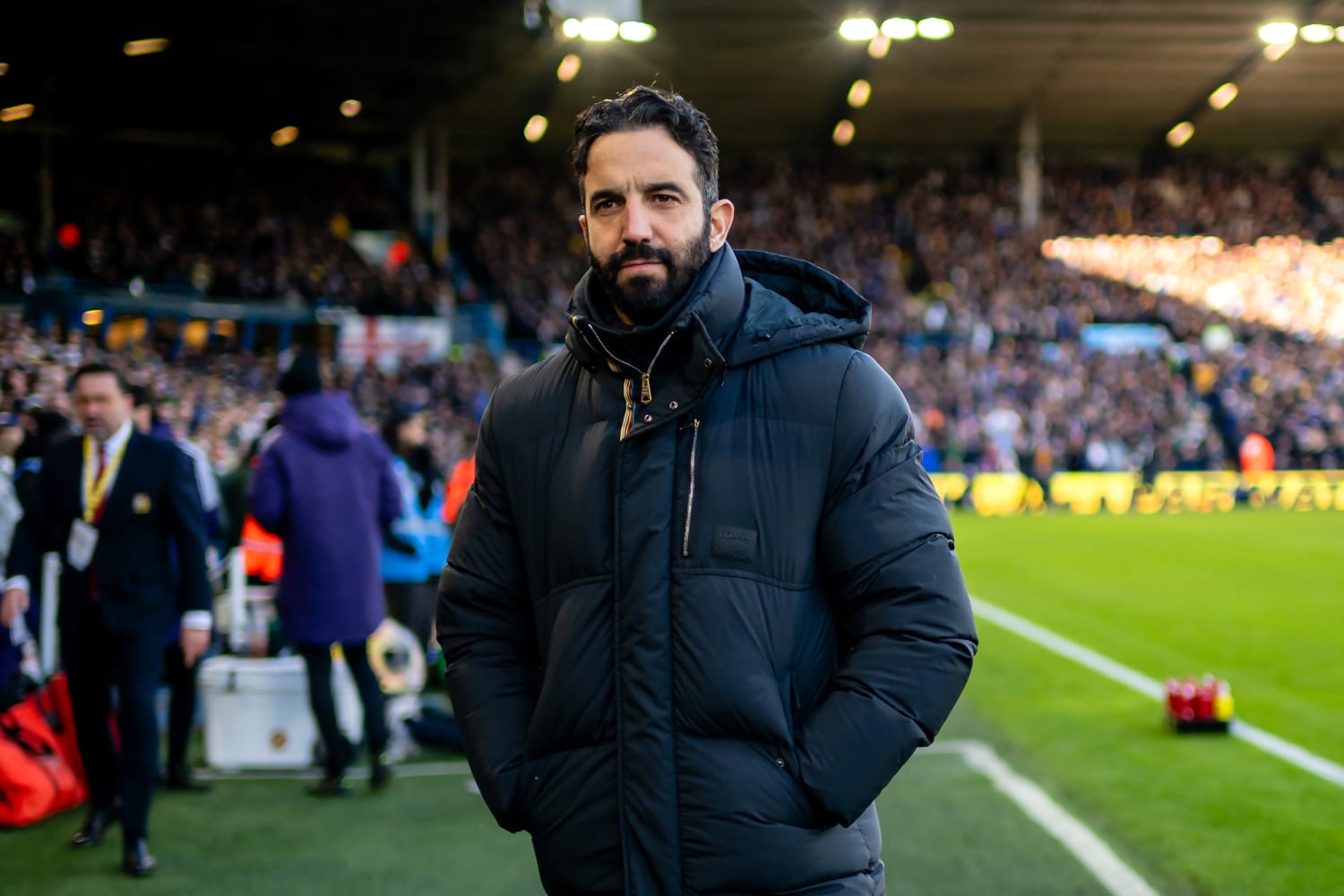
Professional Playing Career and Midfield Identity
Amorim began his professional playing career as a midfielder, representing clubs such as Belenenses and later Benfica, one of Portugal’s most prestigious teams. At Benfica, he experienced the highest level of domestic football and competed in both national and European competitions.
As a player, he was known for his tactical discipline rather than flashy style. He often played in central and defensive midfield roles, where his ability to read the game and maintain structure stood out. His playing career also included appearances for the Portugal national team, where he gained experience at the international level.
Transition from Player to Football Manager
After retiring from professional football, Ruben Amorim made a smooth transition into coaching, beginning his managerial journey in Portugal’s lower divisions. This shift marked the beginning of a new phase focused on leadership, analysis, and tactical development.
His early coaching roles allowed him to experiment with formations and develop a strong tactical identity. He quickly gained attention for his ability to organize teams efficiently and improve player performance. This rapid development led to opportunities at higher levels, accelerating his rise in Portuguese football management.
Breakthrough Success at Sporting CP
Ruben Amorim’s career reached a turning point when he was appointed head coach of Sporting CP. At the time, the club was seeking stability and a return to championship-winning form. Amorim immediately implemented a structured system focused on defensive balance and quick transitions.
His most significant achievement at Sporting CP was winning the Primeira Liga title, ending a long drought for the club. This success established him as one of the most promising young coaches in Europe. His ability to rebuild team confidence and create a winning mentality became a defining feature of his managerial reputation.
Tactical Philosophy and Playing Style of Ruben Amorim
Amorim is best known for his structured tactical approach, often using a three-at-the-back system that emphasizes defensive organization and controlled attacking transitions. His teams are built on discipline, compact spacing, and coordinated pressing.
Rather than relying on possession dominance alone, Amorim focuses on efficiency and tactical balance. His system allows players to operate in flexible roles, adapting based on match situations. This adaptability within structure is one of the key reasons his teams are difficult to break down defensively while remaining dangerous in counter-attacks.
Player Development and Squad Management Approach
One of Ruben Amorim’s strongest qualities as a manager is his ability to develop young players. At Sporting CP, he played a major role in improving several emerging talents, helping them transition into top-level football with confidence and tactical understanding.
His squad management style is based on trust, clarity, and defined roles. Players under his system are given clear instructions, allowing them to understand exactly what is expected in each phase of play. This structured approach helps create consistency and reduces uncertainty on the pitch.
Challenges, Criticism, and Tactical Adaptability
Despite his success, Amorim’s coaching style has also faced criticism, particularly regarding flexibility in high-pressure matches. Some analysts argue that his strong commitment to a specific tactical structure can sometimes limit adaptability against unpredictable opponents.
In elite football, especially in highly competitive leagues, managers are often required to adjust systems quickly during matches. While Amorim has shown tactical intelligence, these challenges highlight the ongoing evolution required for sustained success at the highest level of European football.
Reputation in European Football and Future Expectations
Ruben Amorim’s success at Sporting CP significantly boosted his reputation across Europe. He is frequently linked with major clubs due to his tactical identity and proven ability to build competitive teams. His name often appears in discussions about the next generation of elite football managers.
As modern football continues to evolve, expectations for coaches like Amorim remain high. Clubs value his structured approach, player development skills, and ability to restore team identity. His future career trajectory is widely seen as one of the most closely followed in European football management.
Conclusion: Ruben Amorim’s Legacy and Football Identity
Ruben Amorim represents the modern evolution of football management, where tactical intelligence, leadership, and adaptability define success. From his early days as a midfielder in Portugal to becoming one of the most respected young managers in Europe, his journey reflects continuous growth and ambition.
His impact at Sporting CP remains a defining achievement, showcasing his ability to rebuild teams and win titles with a clear tactical identity. As his managerial career continues to develop, Ruben Amorim stands as a key figure in shaping the future direction of European football coaching.
