

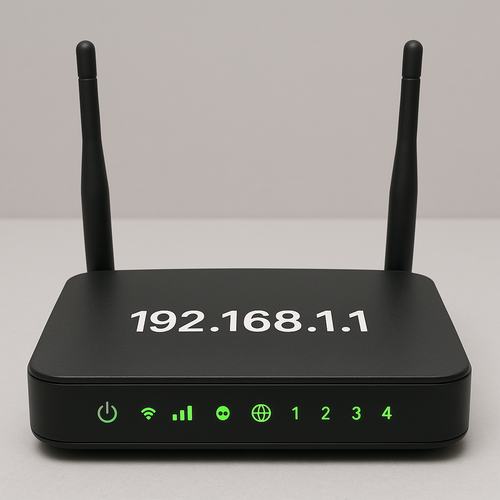
What is 192 l.168.1.1?
The IP address 192 l.168.1.1 is a private Internet Protocol (IP) address frequently assigned to routers and various networking devices. It plays a critical role in the management of local networks, particularly within both home and office environments. As a private IP address, 192 l.168.1.1 is typically not accessible from the global Internet; instead, it operates within an isolated network, ensuring that internal communications remain secure and efficient.
This particular address falls within the designated range for private IP addresses, which means it can be utilized without the need to register with external authorities, thus allowing individuals to set up their networks without incurring additional costs. By default, many consumer routers adopt 192 l.168.1.1 as their internal gateway address. This configuration facilitates seamless connectivity among various devices such as computers, smartphones, and smart home gadgets within the same local area network (LAN).
Utilizing 192 l.168.1.1 allows users to access the router’s administration interface. By entering this IP address into a web browser, network administrators can establish settings, manage connected devices, refine security protocols, and perform routine maintenance tasks. The importance of this IP address extends beyond mere connectivity; it serves as a crucial hub for configuring network parameters, consequently optimizing performance and safeguarding user data.
In summary, understanding the significance of the IP address 192 l.168.1.1 is essential for anyone looking to manage their network effectively. By leveraging this address, users can ensure that their devices communicate efficiently and securely, enhancing the overall network experience in both personal and professional settings.
How to Access Your Router Using 192 l.168.1.1
To access your router’s management console, begin by opening a web browser on a device that is connected to your local network. In the address bar, type 192.168.1.1 and press Enter. This IP address is commonly used as a default gateway for many router models. However, if this does not work, check your router’s manual or look for a label on the back or bottom of the device, as some manufacturers use different addresses, such as 192.168.0.1.
Once you have successfully entered the correct IP address, you will be prompted to enter your router’s login credentials. The default username and password are often set to combinations like admin/admin or admin/password. These credentials vary depending on the router brand, so be sure to refer to any documentation provided with your router or search for its specifications online if you do not have this information readily available.
If you encounter any issues when trying to access 192.168.1.1, first confirm that your device is properly connected to the network—whether through wired Ethernet or via Wi-Fi. Disconnecting and reconnecting can often resolve minor connectivity problems. If you’re still unable to reach the router interface, consider performing a factory reset on the device to revert to the default settings, including username and password.
In summary, accessing your router using 192.168.1.1 is a straightforward process that requires connecting to the local network and inputting the correct login credentials. By understanding these basic steps, users can manage their network settings efficiently and troubleshoot any connection issues they may encounter.
Common Configurations and Settings at 192 l.168.1.1
The address 192 l.168.1.1 serves as a crucial entry point for network management, allowing users to configure various settings for their routers. One of the most common tasks performed through this interface is altering the Wi-Fi network name (SSID) and password. By accessing this address through a web browser, users can navigate to the wireless settings section, enabling them to customize their network’s name and security key, enhancing both identification and security.
Another essential feature available at 192 l.168.1.1 is the management of connected devices. Users can monitor which devices are currently connected to their network, allowing them to identify unauthorized access or to simply track usage across various devices. Moreover, users have the option to manage these connected devices by blocking or prioritizing certain devices depending on their bandwidth needs.
Updating the router’s firmware is also a critical action that can be executed via the 192 l.168.1.1 interface. Firmware updates are essential for maintaining security and performance, as manufacturers frequently release updates to patch vulnerabilities and enhance existing features. Users can usually find this option under an “Administration” or “System” tab, making it relatively straightforward to install the latest upgrades.
Lastly, excellent security management options are at the user’s fingertips when accessing 192 l.168.1.1. Users can adjust security protocols, such as switching between WPA2 and WPA3 for enhanced encryption, and can also implement MAC address filtering to restrict network access to certain devices only. This level of control and customization facilitates a secure and efficient home or office network, empowering users to tailor their settings according to specific needs.
Troubleshooting Issues with 192 l.168.1.1
Accessing your router through the IP address 192 l.168.1.1 can sometimes present challenges. Understanding these issues is vital for effective network management. One of the most common problems users encounter is the inability to connect to the router. This can occur due to various reasons, including incorrect IP address entry, network connectivity problems, or issues with the router itself. Begin by ensuring that your device is properly connected to the network, either via Ethernet or through Wi-Fi. Double-check that you are using the correct IP address; typographical errors can prevent successful access.
Another frequent issue involves forgotten login details. If you cannot recall your router’s username and password, this could impede your ability to manage your network settings via 192 l.168.1.1. In such cases, you may need to perform a factory reset on your router. This action typically involves pressing a small reset button on the device for a few seconds. Please note that performing a factory reset will erase all customized settings, reverting the router to its original factory configuration, so ensure to have the default login credentials on hand.
Conflicts with other devices on the network can also lead to access issues. For instance, if multiple devices are mistakenly set to the same static IP address, this can disrupt network communication. Ensure that each device on your network has a unique IP address. If necessary, access 192 l.168.1.1 to check the connected devices and their corresponding IP configurations. Adjust the settings accordingly to resolve any conflicts and restore proper connectivity. By addressing these common issues, users can streamline their access to the router and enhance overall network performance.
