

Understanding HSS Gamepad Connectivity
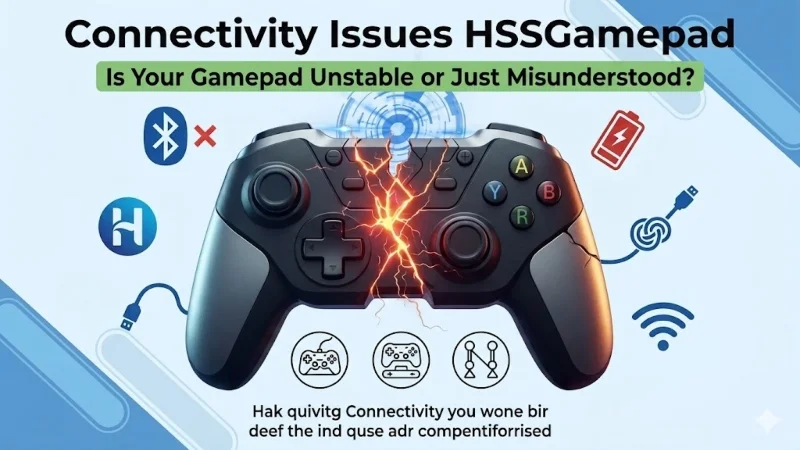
The connectivity issues hssgamepad is designed to provide an immersive gaming experience by connecting seamlessly to various gaming devices, including consoles and PCs. Its versatility in connectivity options is a significant factor contributing to its popularity among gamers. The gamepad typically supports both wired and wireless connections, utilizing technologies such as Bluetooth for wireless connectivity and USB for wired connections. This diversity allows gamers to choose their preferred method of play, accommodating those who prize the stability of a wired connection and others who appreciate the freedom of wireless gameplay.
In terms of wireless connectivity, the HSS gamepad employs Bluetooth technology, which enables a hassle-free pairing process with compatible devices. Simply put, users can connect to their game console or PC without the clutter of cables. However, it is essential to ensure that the Bluetooth version on the device meets the HSS gamepad’s requirements for optimal performance. Most modern devices support the necessary Bluetooth standards, but older systems may encounter connectivity issues. On the other hand, the USB connection is straightforward; a simple plug-in allows for instant recognition by systems, usually with little to no setup needed.
This adaptability makes the Connectivity Issues Hssgamepad a reliable choice across various platforms, whether you are gaming on a console like PlayStation or Xbox or a computer. However, users may occasionally experience connectivity issues that could stem from compatibility problems, signal interferences, or outdated drivers. Understanding the inherent capabilities and limitations of the HSS gamepad’s connectivity features is vital for troubleshooting these common problems effectively. In the following sections, we will delve deeper into the types of connectivity issues that users may face and how to resolve them efficiently.
Common Connectivity Issues with HSS Gamepad
The HSS gamepad, while a robust device, can occasionally suffer from various connectivity issues that hinder its performance and user experience. One of the most common problems users report is unresponsive controls. This issue can manifest during gameplay when inputs do not register, causing frustration. Commonly, this may occur due to the gamepad’s battery running low or interference from other electronic devices. Ensuring that the gamepad is adequately charged and moving away from potential sources of interference can alleviate this problem.
Another frequent issue is difficulty in pairing the HSS gamepad with devices. This can stem from a range of factors, including outdated firmware or conflicting Bluetooth connections. To remedy this, users should check for any available firmware updates and ensure that the gamepad is in pairing mode before trying again. Disconnecting any other Bluetooth devices during pairing attempts can also help streamline the process.
Lag during gameplay presents another connectivity challenge for HSS gamepad users. This lag, often felt as a delayed response between input and action on screen, can significantly affect gameplay quality. It is frequently linked to poor wireless signal strength or bandwidth issues. Users experiencing this problem should try to position their device within closer proximity to the gamepad or limit background applications that might consume bandwidth.
Lastly, disconnections during use can cause significant disruptions, and these may occur sporadically or after a specific time of usage. Factors contributing to disconnections can include battery health, Bluetooth signal exposure, and physical obstructions. Regularly checking the battery status and ensuring that the gamepad is within an unobstructed range can mitigate these disconnects.
Troubleshooting Connectivity Problems
When experiencing connectivity issues with the HSS gamepad, there are several steps you can take to diagnose and potentially resolve the problem. This guide will walk you through a systematic approach to troubleshooting, which can enhance your gaming experience by ensuring seamless connectivity.
First, check the battery levels of your HSS gamepad. A low battery can often lead to interrupted connections. Replace or recharge the batteries as needed, and retest the connection. A fully charged gamepad significantly reduces the possibility of disconnection due to insufficient power.
Next, updating the firmware is essential for optimal device performance. Navigate to the manufacturer’s website or use the provided software to check for available firmware updates. Keeping your HSS gamepad updated can resolve existing bugs that may contribute to connectivity issues.
Adjusting device settings also plays a critical role in rectifying connectivity problems. Verify that your HSS gamepad is selected as the primary game controller within your gaming system’s settings. In addition, ensure that any relevant settings for Bluetooth connectivity are configured correctly, as improper settings can hinder performance.
Additionally, it is important to ensure that the Bluetooth configurations on your PC or console are correctly set. Ensure Bluetooth is enabled and that the HSS gamepad is within range, as distance can impact connectivity. If using a PC, consider removing the device from your Bluetooth list and re-pairing it; this can sometimes resolve persistent connection issues.
Finally, if you continue to encounter connectivity issues with the HSS gamepad, consult the user manual or reach out to the customer support team for further assistance. Regular maintenance of both the gamepad and the device it’s connecting to can greatly improve the overall gaming experience.
Best Practices for Maintaining Gamepad Connectivity
Maintaining optimal connectivity issue HSS gamepad is essential for an uninterrupted gaming experience. To achieve this, users should adopt several best practices that ensure both longevity and connectivity efficiency.
First, regular maintenance of the gamepad is crucial. This includes keeping the device clean and checking for wear and tear that could impact performance. It is advisable to periodically clean the exterior with a soft, dry cloth and to avoid spills or exposure to dust. Additionally, inspecting the connection ports for debris can prevent connectivity issues, as build-up may obstruct the signal transmission.
Another key aspect is the configuration of recommended settings for different gaming platforms. Users should familiarize themselves with their specific platform settings, whether it be for PC, PlayStation, or Xbox, ensuring that the gamepad is appropriately calibrated. For instance, modifying the sensitivity settings to suit personal preferences can enhance overall performance and reduce the likelihood of latency or disconnections.
Firmware updates play a vital role in maintaining gamepad functionality. Developers often release updates to improve performance and address any known connectivity issues. Users should make it a habit to check for updates regularly and follow the provided instructions to install them promptly. This proactive approach helps enhance compatibility, security, and overall performance of the device.
Moreover, ensuring that the gamepad has a stable power source is fundamental to preventing connectivity problems. Charging the device regularly and avoiding prolonged use when the battery is low can significantly reduce the chances of unexpected disconnections during gameplay.
Lastly, creating a suitable environment for connectivity can avoid interference from other electronic devices. Positioning the gamepad closer to the console and minimizing obstacles between them can enhance the wireless signal, ensuring a seamless connection. By following these best practices, users can prevent potential connectivity issues with their HSS gamepad and allow for an enjoyable gaming experience.
