

Recent Tensions: Overview of Key Events
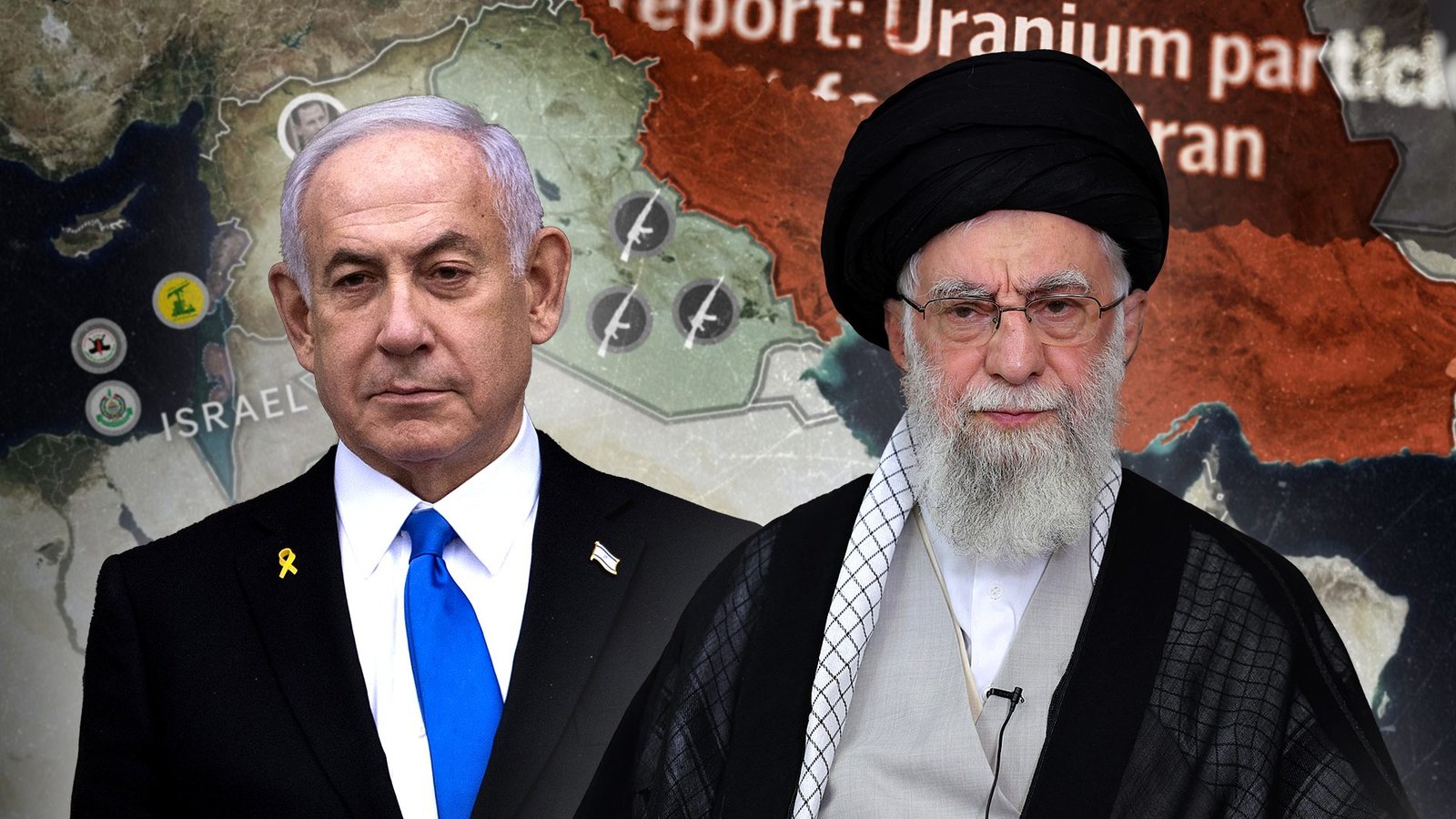
The geopolitical landscape between Iran and Israel has been marked by increased tensions in recent months, attracting significant attention in the context of iran israel news. Various incidents have unfolded that reveal the complexities of their relationship, characterized mainly by military actions, diplomatic maneuvers, and public rhetoric.
One notable event occurred in early September, when Israel launched airstrikes targeting Iranian positions in Syria. The Israeli Defense Forces (IDF) stated that these operations aimed to disrupt Iranian military entrenchment in the region, which is perceived as a direct threat to Israeli security. This action was met with strong condemnation from Iran, which vowed to respond to what it termed as “aggression against its sovereignty.”In addition, Iran has intensified its rhetoric against Israel, reinforcing its position through public statements from prominent officials. Senior Iranian leaders have repeatedly declared their unwavering support for Palestinian factions and threatened consequences for Israel’s military actions. This verbal escalation adds another layer to the already heightened tensions between these two nations.
Furthermore, diplomatic exchanges have not facilitated a resolution. For instance, during various international forums, both countries have taken the opportunity to express contrasting narratives regarding regional stability. Iran insists that Israeli policies contribute to insecurity, while Israel argues that Iran’s nuclear ambitions pose an existential threat.
Lastly, a critical theme that has emerged is the concern over Iran’s nuclear program, which Israel views as a red line. In response to Iran’s advancements, Israel has stated its readiness to take any necessary measures to thwart potential threats. These developments underscore the ongoing volatility of their relationship, which continues to be a key focus in iran israel news.
Political Implications: Analyzing Regional Impact
The ongoing conflict between Iran and Israel has profound implications not only for these two nations but also for the entire Middle East region. The geopolitical landscape is shifting, and various neighboring countries are recalibrating their foreign policy stances in response to the Iran Israel news. For instance, nations such as Saudi Arabia and the United Arab Emirates have been observing the conflict closely, as it influences their relationships with both Tehran and Tel Aviv.
Regional powers are increasingly aligning themselves either in support of or in opposition to the two states. Countries like Egypt and Jordan, historically aligned with the West and maintaining peace treaties with Israel, find themselves in a delicate position. The growing hostility between Iran and Israel can incite unrest among populations sympathetic to either side, complicating the internal dynamics of these nations.
International reactions to the Iran Israel conflict further illustrate its significance. Western nations, particularly the United States, have expressed concerns regarding Iran’s nuclear ambitions and its support for militant groups opposing Israel. Conversely, Russia has forged closer ties with Tehran, providing a contrasting perspective that captivates many regional actors. Such alignments shift the traditional alliances and rivalries that have characterized the Middle Eastern geopolitical framework for decades.
Furthermore, the ramifications of this conflict extend to the delicate balance of power among various groups operating in the region. The militant group Hezbollah, for instance, serves as a proxy for Iran against Israel and plays a significant role in Lebanon’s political dynamics. As such, the escalation of tensions directly influences the security landscape, igniting fears of broader military engagements that could envelop neighboring countries.
In conclusion, the intricate web of alliances and enmities forged through the ongoing turmoil shapes the future of regional politics. Iran Israel news continues to be a critical focal point that influences diplomatic efforts, national security policies, and the everyday lives of people across the Middle East.
The media representation of events between Iran and Israel plays a critical role in shaping public perception and understanding of the ongoing tensions. Both countries utilize distinct narratives in their news coverage, which reflect their respective political ideologies, cultural perspectives, and intended audience reactions. In Iran, state-controlled media predominantly showcase narratives that emphasize resistance against perceived Israeli aggression and threats. They often depict Israel as an existential threat to Iran and the broader region, thus justifying its nuclear pursuits and military posturing. These narratives are reinforced by government-approved outlets, crafting a unified message that aligns with the regime’s political objectives.
On the other hand, Israeli media portrays the conflict from a standpoint of security and defense, often highlighting the need to protect its citizens from Iranian military capabilities and proxy forces. Independent news sources in Israel provide a spectrum of views, yet many remain focused on the existential threats posed by Iran, thus reinforcing the national security narrative. These portrayals may vary in tone but share a common theme of vigilance against Iran’s influence in the region.
The rise of misinformation and propaganda within this media landscape complicates the dialogue between the two nations. Both Iranian and Israeli media have been accused of disseminating disinformation to bolster their narratives, which not only skews perceptions but also exacerbates tensions. Additionally, the role of social media cannot be overlooked as it has become a primary platform for political discourse, allowing for immediate dissemination of news, varying personal opinions, and sometimes unverified claims. As a result, social media amplifies existing narratives while simultaneously fostering polarization among audiences.
In light of these factors, understanding the media representation of Iran and Israel is essential for comprehending the broader implications of their relationship. The narratives constructed through various channels will continue to influence policy decisions and public opinion, representing the intricate weave of media power in the context of geopolitics.

Future Prospects: What Lies Ahead in Iran-Israel Relations
The geopolitical landscape surrounding Iran-Israel relations remains complex and fraught with tension. As we assess potential future scenarios, it is crucial to consider avenues for dialogue that may emerge between the two nations. Diplomatic efforts, often driven by the interests of international powers, could pave the way for negotiations aimed at reducing hostilities. The influence of global players, such as the United States and European Union, can lead to a moderated approach as they encourage both sides to engage in discussions, potentially fostering a more stable regional environment.
On the other hand, the prospect of military escalation cannot be overlooked. Given the mutual distrust and ongoing proxy conflicts, there remains a significant risk that misunderstandings or provocations could ignite a more intense confrontation. Iran’s program for nuclear development continues to be a major point of contention, with Israel’s commitment to preventing a nuclear-armed Iranian regime serving as a catalyst for military readiness. An increased military presence or strategic strikes could heighten tensions further, leading to a cycle of retaliation that is damaging for both nations and the broader region.
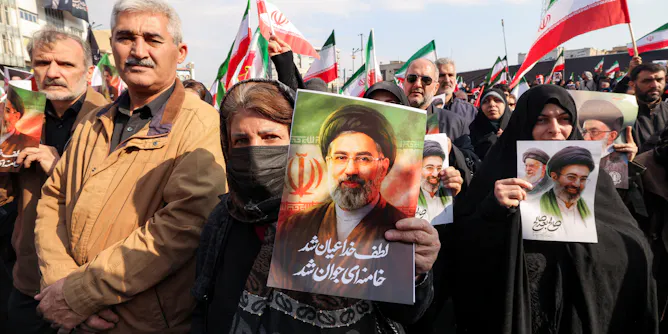
Moreover, the evolving political dynamics within Iran and Israel will significantly influence their bilateral relations. In recent years, shifts in leadership have affected policy directions and national priorities, creating both opportunities and challenges. Developing situations, such as internal protests in Iran or potential changes in Israeli governance, could provide openings for dialogue or exacerbate existing conflicts.
In conclusion, the future of Iran-Israel relations is uncertain and hinges on various factors, including diplomatic initiatives, military readiness, and the influence of international powers. Monitoring these developments closely will provide insights into the likely trajectory of this contentious relationship.
