

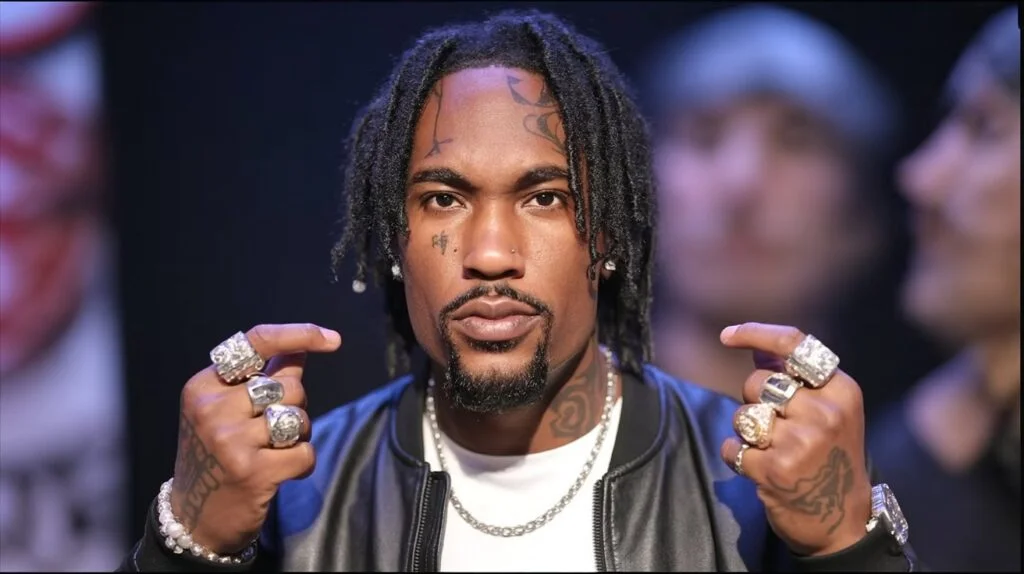
What is Hunxho Age?
The term hunxho age refers to a specific age classification that encompasses not just the numeric age of an individual but also a broader understanding of their social and cultural experiences. Etymologically, “hunxho” originates from [insert relevant linguistic roots or origins], which signifies a blend of maturity and identity within a cultural framework. This term has evolved over time, reflecting changes in societal values and perceptions regarding adulthood and responsibility.
In many cultures, age is a rigid category that often delineates expectations and responsibilities. The concept of hunxho age modifies this notion by integrating factors such as wisdom, life experiences, and emotional maturity into the framework of age. It acknowledges that age is not merely determined by years lived but also by personal growth and actionable insights gained through various life events.
Historically, the understanding of hunxho age has adapted to incorporate contemporary societal norms and cultural shifts. For example, in traditional societies, reaching a particular age often marked significant transitions, such as marriage, parenthood, or social responsibilities. In contrast, modern interpretations may place less emphasis on these milestones while recognizing that experiences influencing maturity differ widely among individuals. This evolution enhances our appreciation for the varied experiences that shape a person’s identity across their lifetime.
Ultimately, hunxho age encourages a more nuanced perspective on age, promoting the idea that maturity should be understood through a combination of chronological benchmarks and personal development. This perspective distinguishes it from other age-related concepts, fostering a deeper connection between individuals and their sociocultural backgrounds.
The Cultural Significance of Hunxho Age
Hunxho age holds profound implications across various cultures, shaping how individuals and societies perceive identity and maturity. In many cultures, reaching this age is not merely a marker of biological maturity but is often associated with significant life transitions. Celebrations and traditions surrounding this milestone frequently reflect community values and beliefs, thus indicating its importance beyond the individual.
For instance, in several societies, the initiation into adulthood at the hunxho age is marked by specific rites of passage. These rituals serve not only to acknowledge the transition from youth to adulthood but also reinforce community bonds. They often involve ceremonies that may include feasts, gatherings, and symbolic acts, all of which are designed to instill a sense of responsibility, identity, and belonging in individuals as they enter this critical stage of life.
Moreover, the significance of hunxho age can also be seen in its association with cultural narratives and folklore. Many cultures imbue this age with symbolism, linking it to virtues such as courage, wisdom, and strength. These qualities are expected of individuals as they embrace their new roles within society. Furthermore, the age can reflect diverse cultural attitudes towards growing up and transitioning into responsible adulthood, emphasizing the varying cultural contexts in which these values are celebrated.
Ultimately, hunxho age is not just a personal milestone; it serves as a vital cultural touchstone that articulates shared values and expectations. As societies evolve, so too do the perceptions and rituals surrounding this significant age. Understanding its cultural significance provides insight into how communities view growth, identity, and the responsibilities that come with adulthood.
Hunxho Age in Modern Society
The concept of hunxho age holds considerable significance in contemporary society, where perceptions and attitudes toward this life stage have experienced notable transformations. Historically, milestones associated with young adulthood, such as completion of education, starting a career, or establishing a family, were rigidly adhered to. However, modern culture exhibits increasing flexibility regarding these expectations, reflecting a broader acceptance of individual journeys and timelines.
In recent years, the notion of hunxho age has shifted to encompass a more diverse range of experiences. Young adults today are often prioritizing personal fulfillment and exploration over traditional benchmarks. This change might be attributed to a variety of factors, including economic conditions, increased education, and a greater emphasis on self-identity. For many, the path during hunxho age is no longer linear; instead, it is marked by a series of transitions, where individuals might pursue different careers, travel, or engage in various relationships before settling into more permanent roles.
Moreover, the advent of modern media and technology has played a pivotal role in shaping the understanding of hunxho age. Social media platforms allow young adults to share their experiences, successes, and challenges, promoting a more open dialogue about the pressures and expectations associated with this age. Influencers and public figures often highlight the benefits of non-traditional paths, demonstrating that achievement can take various forms and occur at different times. This accessibility to diverse narratives has fostered a culture that values individuality and personal growth, encouraging an environment where individuals feel empowered to make choices that resonate with their unique aspirations.

Personal Reflections and Experiences at Hunxho Age
The “hunxho age” represents a significant transitional period in many individuals’ lives, characterized by unique experiences, challenges, and profound growth. During this phase, many reflect upon their personal journeys, allowing them to assess their aspirations, values, and relationships. The reflections shared by individuals who have navigated through this stage reveal a tapestry of emotions shaped by both achievements and setbacks.
For some, entering the hunxho age marked a time of self-discovery and realization. One individual recalls how this phase prompted them to explore their passions, leading to a newfound career path that aligned with their authentic self. This experience showcases the potential for reevaluation and reinvention inherent in the hunxho age, underscoring the significance of self-reflection during such pivotal moments.
Conversely, many also confront obstacles during the hunxho age that can profoundly impact their emotional and psychological well-being. Stress related to career pressures, familial expectations, or societal norms often emerges, prompting individuals to seek support and strategies for coping. A participant in this phase shared how they faced significant anxiety but ultimately learned resilience through therapy and peer support, illustrating that challenges can serve as catalysts for personal development.
The narratives of those who have navigated the hunxho age delve deep into how it shapes personal growth. Many express gratitude for the lessons learned, emphasizing that the combination of trials and triumphs ultimately enriched their life perspectives. These testimonials are invaluable for understanding the intricate dynamics of the hunxho age, highlighting the essential journey toward self-acceptance and fulfillment.
