

What is Pulsamento?
Pulsamento, deriving from the Italian term for ‘pulse’, refers to the intrinsic rhythmic quality found in various artistic expressions, particularly in music and visual arts. This concept carries with it a sense of movement and continuity, suggesting not merely the mechanical rhythm but a deeper, almost emotive heartbeat that drives creativity. At its core, pulsamento resonates with the rhythms of life itself, embodying the emotional nuances that give depth to artistic works.
In the realm of music, pulsamento can be perceived as the underpinning pulse that influences tempo, dynamics, and phrasing. Composers often manipulate this rhythmic foundation to evoke specific emotional responses in their audiences. For instance, a steady, undulating pulsamento might create a calming effect, while a more erratic or syncopated pulse could induce feelings of excitement or tension. This interplay emphasizes how crucial pulsamento is in shaping the listener’s emotional journey through a piece of music.
Similarly, in visual arts, pulsamento manifests through the rhythm of lines, colors, and forms. Artists may employ repeating motifs or patterns to create a sense of movement that captivates the viewer’s eye, guiding them through the composition much like a rhythmic structure in music. This interplay of visual elements effectively conveys emotions, enhancing the viewer’s experience and inviting deeper engagement with the artwork.
Ultimately, pulsamento serves as a foundational element that not only enhances aesthetic appreciation but also deepens emotional connections across various creative fields. Its influence transcends simple rhythm, embodying the dynamic interactions between creator and audience, which are essential for a fully immersive artistic experience.
The Role of Pulsamento in Music
Pulsamento is a fundamental element in the realm of music, significantly contributing to the emotional and structural underpinnings of a composition. At its core, pulsamento embodies the essence of rhythm, tempo, and beat, intertwining these aspects to create a sense of movement that resonates with listeners. Through the manipulation of pulsamento, composers and musicians can evoke a myriad of emotions, enhancing the overall listening experience.
In various musical genres, pulsamento manifests differently, yet its impact remains profound. For instance, in classical music, composers like Johann Sebastian Bach utilized intricate rhythms and varied tempos to establish a vibrant pulsamento that guides the emotional trajectory of the piece. The meticulous choice of beats creates a dynamic flow, inviting the listener to engage with the music at a deeper level.
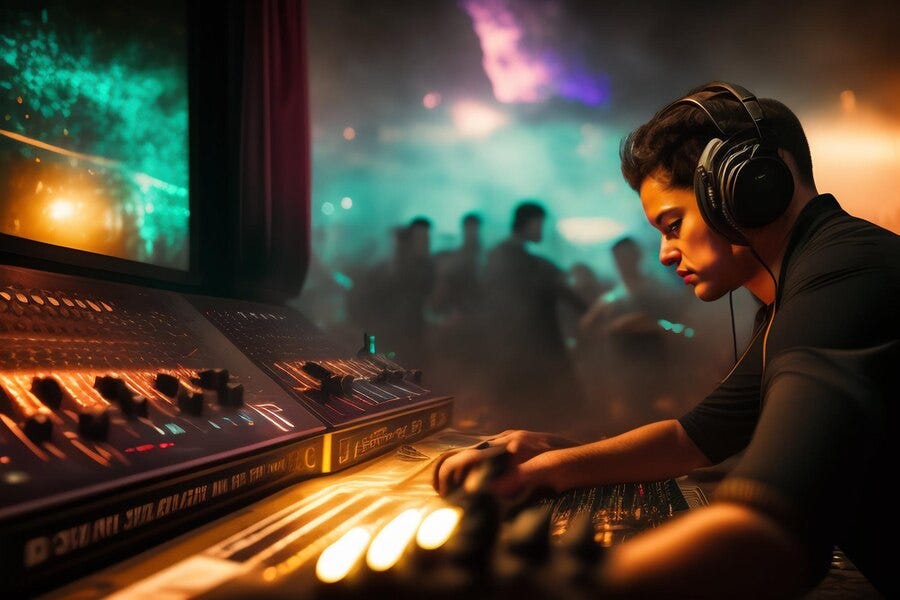
Conversely, in the realm of jazz, pulsamento can be more fluid and improvisational, allowing performers to explore spontaneous rhythms that reflect the excitement and unpredictability of the genre. The syncopation often found in jazz enhances the pulsamento, leading to unexpected twists that captivate the audience. Moreover, contemporary genres such as electronic dance music (EDM) rely heavily on pulsamento, utilizing steady beats that encourage physical movement and emotional release on the dance floor.
Furthermore, the use of pulsamento not only structures music but also fortifies its expressive power. By varying rhythm and tempo, musicians can create excitement, tension, or calmness, guiding listeners through a narrative that is embedded within the score. This illustrates that pulsamento is not merely a technical component but a vital aspect of musical storytelling, providing the heartbeat that connects musicians and audiences alike. Through the effective use of pulsamento, music becomes an emotive journey that, ultimately, reflects the complex tapestry of human experience.
Pulsamento in Visual Arts
The concept of pulsamento, often associated with rhythm and emotion, finds a compelling expression within the realm of visual arts. Artists harness this principle to create dynamic experiences through patterns, movement, and the interplay of colors. In paintings, sculptures, and other forms of visual media, pulsamento serves as a crucial element that guides viewers’ emotional responses and engages their senses.
When examining the works of various artists, one can observe how pulsamento manifests in different styles and techniques. For instance, the works of Vincent van Gogh vividly illustrate the dynamic use of color and brushstroke. His iconic paintings, such as “Starry Night,” exhibit a swirling rhythm that evokes a sense of movement and emotion, reflecting the pulsating essence of life itself. The vibrant colors and energetic strokes resonate with viewers, inviting them to feel the underlying rhythm and energy.
Similarly, the abstract works of Wassily Kandinsky demonstrate how color and form can embody the concept of pulsamento. Kandinsky believed that colors had specific emotional powers and could elicit reactions in the viewer. His use of geometric shapes and varied color palettes creates a visual tempo that mirrors the emotions he sought to convey. By extracting and emphasizing the essence of pulsamento, Kandinsky invites onlookers into a deeper understanding of the emotional currents flowing through his work.
Furthermore, modern artists such as Yayoi Kusama utilize pulsamento to create immersive installations that captivate and engage the audience. Her famous infinity rooms, adorned with countless reflective surfaces and vibrant colors, encapsulate a rhythmic experience that transcends traditional boundaries of art. Through these installations, viewers are enveloped in a universe of pulsating patterns, heightening their emotional awareness and connection to the artwork.
In essence, the integration of pulsamento in visual arts not only captivates the viewer but also enhances art appreciation. Artworks that embody rhythm and movement engage the audience on a profound level, allowing for a multifaceted exploration of emotions and aesthetic experiences.

The Connection Between Pulsamento and Human Emotion
The intricate relationship between pulsamento and human emotion has garnered significant attention in recent years. Pulsamento, manifesting as rhythmic patterns, is not merely a characteristic of music or art; it fundamentally resonates with our biological systems. Research indicates that our brains are inherently wired to respond to rhythms, which can elicit strong emotional reactions. This process occurs in multiple ways, including the synchronization of neural activity to rhythmic stimuli, highlighting the profound impact of rhythm on our mood and feelings.
Scientific studies have demonstrated that exposure to rhythmic patterns can activate brain regions associated with emotion regulation and cognitive function. For instance, rhythmic music can induce the release of dopamine, a neurotransmitter that plays a critical role in pleasure and reward systems. This biochemical response reinforces the power of pulsamento; it suggests that rhythmic stimulation can enhance our emotional experiences, leading to heightened feelings of joy, excitement, or even sadness. Consequently, this underscores how pulsamento serves as a bridge that connects us to our innermost feelings.
Furthermore, pulsamento transcends cultural barriers, allowing individuals from various backgrounds to share emotional experiences through the universal language of rhythm. Groups participating in communal activities such as dancing, drumming, or even clapping often report feeling more connected to one another, demonstrating the unifying nature of rhythmic engagement. By tapping into our innate affinity for pulsamento, we can foster empathy and understanding across diverse communities, facilitating emotional connections that might otherwise remain absent.
The implications of pulsamento extend beyond simple entertainment; they engage our psychological processes and encourage interpersonal connections. As we navigate an increasingly globalized world, appreciating the role of pulsamento in shaping human emotion can enhance our interpersonal interactions and deepen our understanding of diverse cultural expressions.
